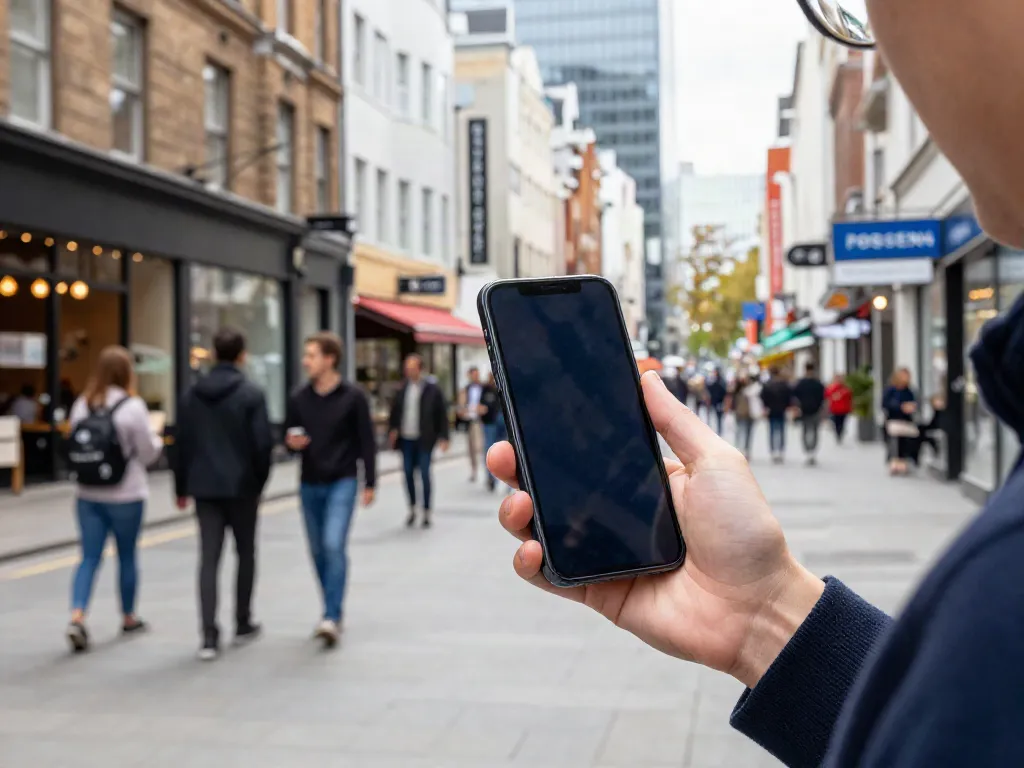
The Importance of Addresses in Modern Society
Addresses are more than just a collection of numbers and letters; they are essential in navigating our complex urban environments and play a pivotal role in modern society. An address helps in identifying not only where someone lives but also serves practical purposes in logistics, emergency services, and digital transactions. Understanding the significance of addresses can greatly contribute to improving urban living, enhancing business operations, and fostering community connections. When exploring options, address provides comprehensive insights into this vital aspect of our daily lives.
Understanding Different Types of Addresses
Addresses typically fall into several categories, including residential, commercial, and mailing addresses. Each type serves a specific purpose and often follows a distinct format. For example, a residential address usually includes the recipient's name, house number, street name, city, state, and ZIP code. In contrast, commercial addresses might include business names and identifiers like suite numbers. Understanding these formats is essential for effective communication and logistics.
Moreover, in today's digital age, unique digital addresses like email addresses and IP addresses are becoming increasingly important. They facilitate communication in the online realm, enabling seamless interactions across platforms. The rise of e-commerce has further emphasized the need for accurate addresses to ensure timely deliveries and customer satisfaction.
How Addresses Affect Urban Planning
Urban planners rely heavily on accurate addressing to develop infrastructure, manage resources, and enhance residents' quality of life. An effective address system allows for better organization of city spaces, influencing everything from zoning laws to public service delivery. Planners use geographic information systems (GIS) to visualize and analyze address data, identifying trends and patterns that inform decisions on land use and transportation planning.
For instance, cities are increasingly adopting smart addressing solutions, which integrate real-time data to improve mobility and access to services. This integration not only streamlines operations but also enhances public safety and urban resilience.
Common Misunderstandings About Addresses
Despite their importance, many people harbor misconceptions about what an address entails. One common misunderstanding is that all addresses are universally formatted; however, different countries and regions have distinct addressing formats that can affect everything from postal services to navigation systems. Additionally, some individuals mistakenly believe that a postal address is sufficient for all types of correspondence, ignoring the specific requirements for different types of deliveries.
Another misconception is that location coordinates can replace traditional addresses. While GPS coordinates serve precise locations, they are less intuitive for general use compared to conventional addresses. Understanding these nuances can help individuals and businesses utilize address systems more effectively.
Technological Advances in Addressing Systems
The evolution of technology has significantly impacted how we understand and use addresses. Modern addressing systems have adapted to incorporate advancements in digital mapping, satellite imagery, and GPS technology, transforming the way we navigate urban landscapes.
Impact of GPS and Digital Maps on Address Usage
GPS technology has revolutionized the concept of addresses by enabling real-time navigation and location tracking. Mobile applications and digital maps use GPS to provide turn-by-turn directions, making it easier for individuals to find their way to any address. This technology is not only beneficial for personal navigation but also for businesses that rely on accurate location data for deliveries and service dispatching.
Digital mapping has also promoted the inclusion of alternative address formats, such as what3words, which divides the world into 3m x 3m squares, giving each a unique three-word address. This innovation enhances accessibility, particularly in areas where traditional addressing is ambiguous or inadequate.
Innovative Applications of Address Data
Address data is being utilized in innovative ways across various sectors. In retail, businesses analyze customer addresses to optimize delivery routes, improve logistics, and enhance marketing strategies. Geotargeting enables businesses to deliver personalized ads to consumers based on their location, proving the value of accurate address data in driving sales and customer engagement.
Moreover, address data is integral to urban development projects, where it aids in assessing infrastructure needs based on population density and service demands. This strategic use of data contributes to building smarter, more efficient urban areas.
Future Technologies for Address Management
As we look toward 2026, emerging technologies promise to redefine address management further. Innovations such as blockchain technology can provide secure and immutable address records, enhancing transparency and traceability in property ownership and transactions. Additionally, machine learning algorithms could optimize address validation processes, ensuring that businesses always have accurate and up-to-date information.
Augmented reality (AR) is another forward-looking technology that could revolutionize how we interact with addresses. Imagine using AR glasses to visualize your surroundings with contextual address information overlayed, making navigation intuitive and engaging.
Real-World Applications of Addressing in Business
Practically every business, regardless of size or industry, relies on addresses for various operations. From marketing to logistics, accurate addressing is a cornerstone of effective business strategy.
How Businesses Utilize Address Data for Marketing
Address data is a powerful asset for marketers seeking to reach specific demographics. By analyzing residential addresses and accompanying data such as age, income, and interests, companies can design targeted marketing campaigns that resonate with particular consumer segments. Location-based marketing ensures that businesses can connect with potential customers in their immediate vicinity, enhancing the effectiveness of advertising efforts.
Additionally, businesses can utilize geolocation tools to analyze foot traffic in specific areas, allowing them to make informed decisions regarding new store locations or promotional events. This data-driven approach enables organizations to maximize return on investment in their marketing strategies.
Challenges Faced by Businesses in Addressing
Despite the advantages of utilizing address data, businesses often face challenges related to accuracy and formatting inconsistencies. Incorrect addresses can lead to delivery delays, increased operational costs, and diminished customer satisfaction. Furthermore, as urban areas evolve, addresses may change, necessitating ongoing updates to address databases.
To combat these challenges, businesses should invest in data cleansing and validation processes that ensure all addresses are accurate and up-to-date. Implementing a customer relationship management (CRM) system can help businesses maintain a comprehensive database, making it easier to manage address-related information.
Case Studies on Successful Addressing Strategies
Several companies have successfully harnessed the power of addressing to boost operations. For example, a delivery service that integrated predictive analytics into its address validation processes saw a significant reduction in failed deliveries. By anticipating common issues, such as outdated addresses or incorrect formats, the company was able to streamline its operations and enhance customer service.
Another case involves a marketing firm that utilized geospatial analysis to optimize mailing lists, resulting in a higher engagement rate with targeted campaigns. By understanding the geographic distribution of their clients, they successfully increased foot traffic to their physical store locations.
Addressing and Urban Mobility
The interplay between addressing and urban mobility is crucial in creating efficient transportation networks. Addresses not only serve as geographical markers but also influence how citizens navigate cities and access services.
How Addresses Influence Transportation Networks
Addresses are foundational to the design of transportation systems, with routes, stops, and services tailored around the addresses of residents and businesses. For instance, public transport systems often rely on addresses to determine the most effective routes and schedules that meet demand. Accurate address data is essential for optimizing these systems, ensuring that residents have convenient access to transportation options.
Future Trends in Smart City Addressing
The concept of smart cities is evolving rapidly, with addressing systems playing a central role. As cities implement smart technology, addresses will be integrated into real-time databases that enhance mobility, safety, and urban planning. For example, smart street signs could provide real-time navigation updates, safety alerts, and augmented reality features that assist with wayfinding.
Furthermore, integrating address data with IoT (Internet of Things) devices can lead to smarter traffic management systems, improving the flow of vehicles and reducing congestion in urban centers.
Assessing the Role of Addresses in Public Transport
Addressees are critical in determining the effectiveness of public transport systems. Accurate mapping of addresses allows for better service delivery and planning. Cities that prioritize robust addressing systems can enhance public transit reliability, making it easier for citizens to travel around their communities.
The efficiency of public transport relies on understanding population density and travel patterns, both of which are tied to address data. Consequently, urban planners and transport authorities must collaborate to ensure that addressing remains a priority in their strategic planning efforts.
Predictions for Addressing Trends by 2026
As we approach 2026, several trends in addressing are expected to emerge, driven by technological advancements and changing societal needs.
Emerging Addressing Technologies
New addressing technologies will revolutionize the way we perceive and use addresses. AI-driven solutions will likely emerge, enabling predictive address analytics that anticipate changes in urban development and consumer behavior. Technologies such as 5G will further enhance the speed and efficiency of digital maps and navigation tools, making it easier for users to access and share accurate address information.
Changing Patterns in Address Usage
As more people migrate to urban areas, the demand for efficient addressing will increase. This trend will necessitate more sophisticated addressing solutions that can accommodate high-density living and transient populations. Micro-addressing strategies, which focus on specific building entries or units, may become commonplace to improve delivery accuracy in densely populated areas.
Expert Insights on Future Addressing Systems
Experts predict that the integration of addresses with blockchain technology will enhance transparency and security in property transactions, ensuring that ownership records are tamper-proof. Additionally, the increasing focus on sustainability will drive innovations in how addresses are used in urban planning, targeting the reduction of carbon footprints through efficient routing and accessibility improvements.
What are common misconceptions about addresses?
Common misconceptions include assuming that all addresses are the same worldwide and that GPS coordinates can replace traditional addresses. These misunderstandings can hinder effective navigation and communication.
How do I write an address correctly?
Writing an address correctly involves using the appropriate format for your location, including the recipient's name, street number, street name, city, state, and ZIP code, ensuring accuracy for postal delivery.
What is the importance of having a correct address?
A correct address is crucial for efficient communication, proper delivery of goods, and access to services. It ensures that individuals receive mail and packages promptly and accurately, which is fundamental in both personal and business contexts.
How does technology affect address management?
Technology enhances address management by providing tools for data validation, geospatial analysis, and dynamic mapping. These technologies ensure that address databases are accurate and up-to-date, reducing errors in logistics and communication.
What are the best practices for businesses regarding addresses?
Businesses should invest in data management systems that keep address information current, establish protocols for data validation, and leverage geospatial analysis for better operational insights. Regularly auditing address databases can help ensure accuracy and improve customer satisfaction.